
What Is Rhythmic Gymnastics?
A Complete Guide for Parents.
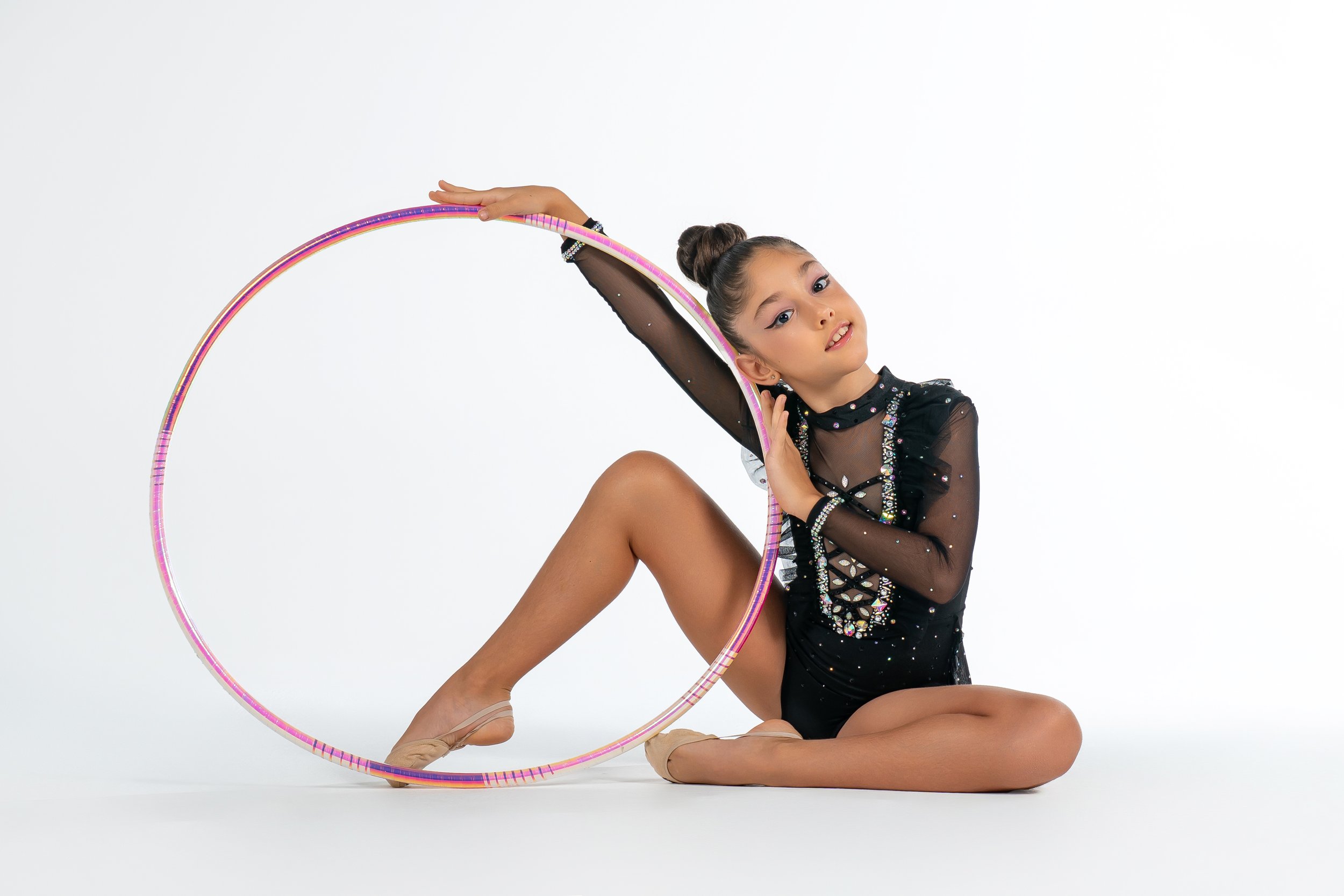
Rhythmic gymnastics is an elegant Olympic sport that combines gymnastics, dance, ballet, flexibility, coordination, musicality, and apparatus handling.
Gymnasts perform choreographed routines to music using apparatus such as the ribbon, hoop, ball, clubs, and rope. The sport requires a unique combination of strength, flexibility, balance, coordination, expression, and precise technique with the body and apparatus.
For children, rhythmic gymnastics is much more than learning routines. Structured training can support physical development while helping children build confidence, discipline, creativity, concentration, and a love for movement and music.
What Apparatus Are Used in Rhythmic Gymnastics?
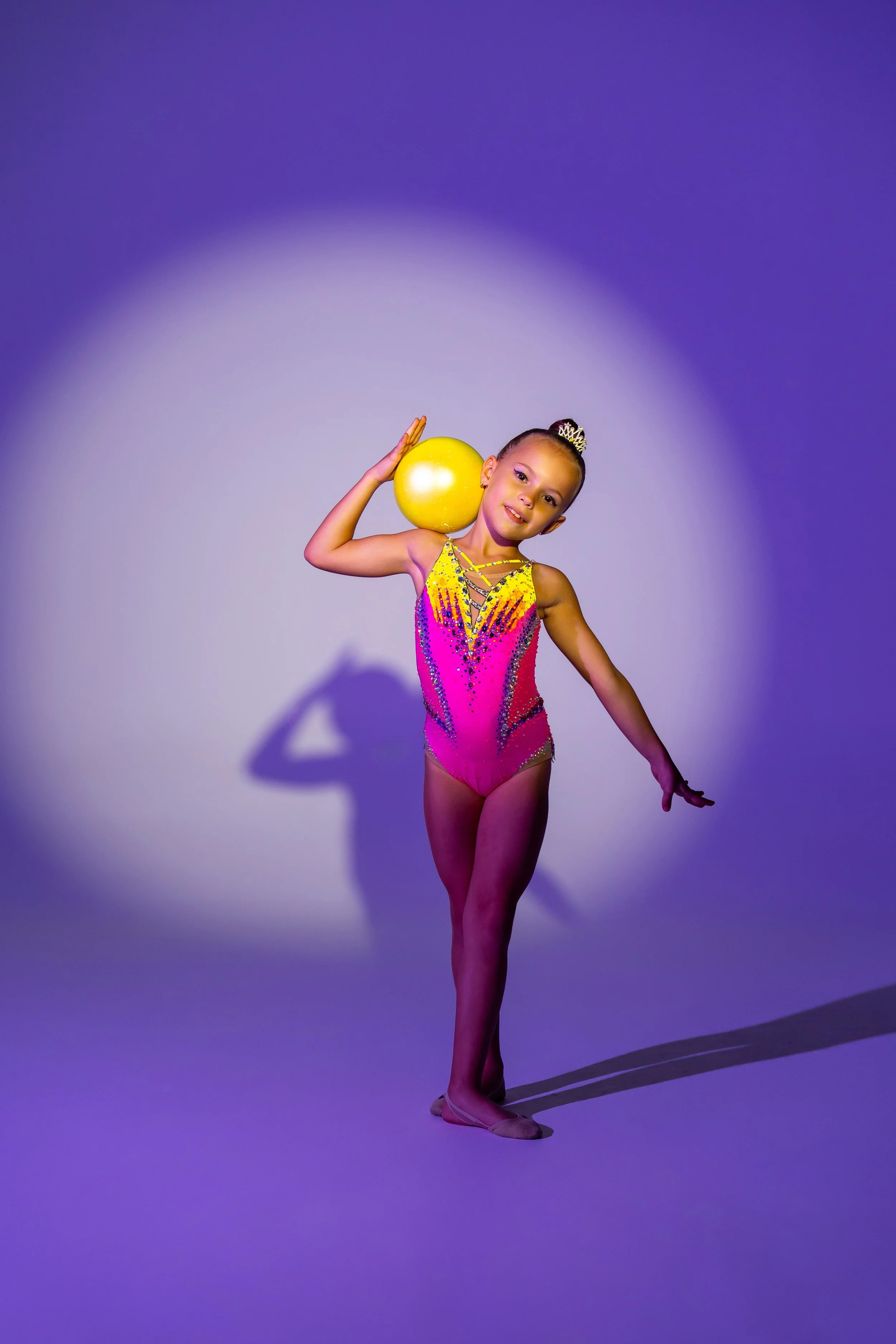
Rhythmic gymnasts train with five main apparatus: Rope, Hoop, Ball, Clubs, Ribbon.
Each apparatus requires different handling techniques, coordination, timing, and control. As gymnasts progress, they learn skills such as throws, catches, rotations, rolls, and other apparatus elements, combining them with body movements and music.
See Rhythmic Gymnastics in Action
Rhythmic gymnastics is best understood when you see the combination of athleticism, apparatus technique, music, and artistry come together.
Watch performances from some of the world's leading rhythmic gymnasts, including World Champion Taisiia Onofriichuk and Olympic Champion Darja Varfolomeev.
What Are the Benefits of Rhythmic Gymnastics for Children?
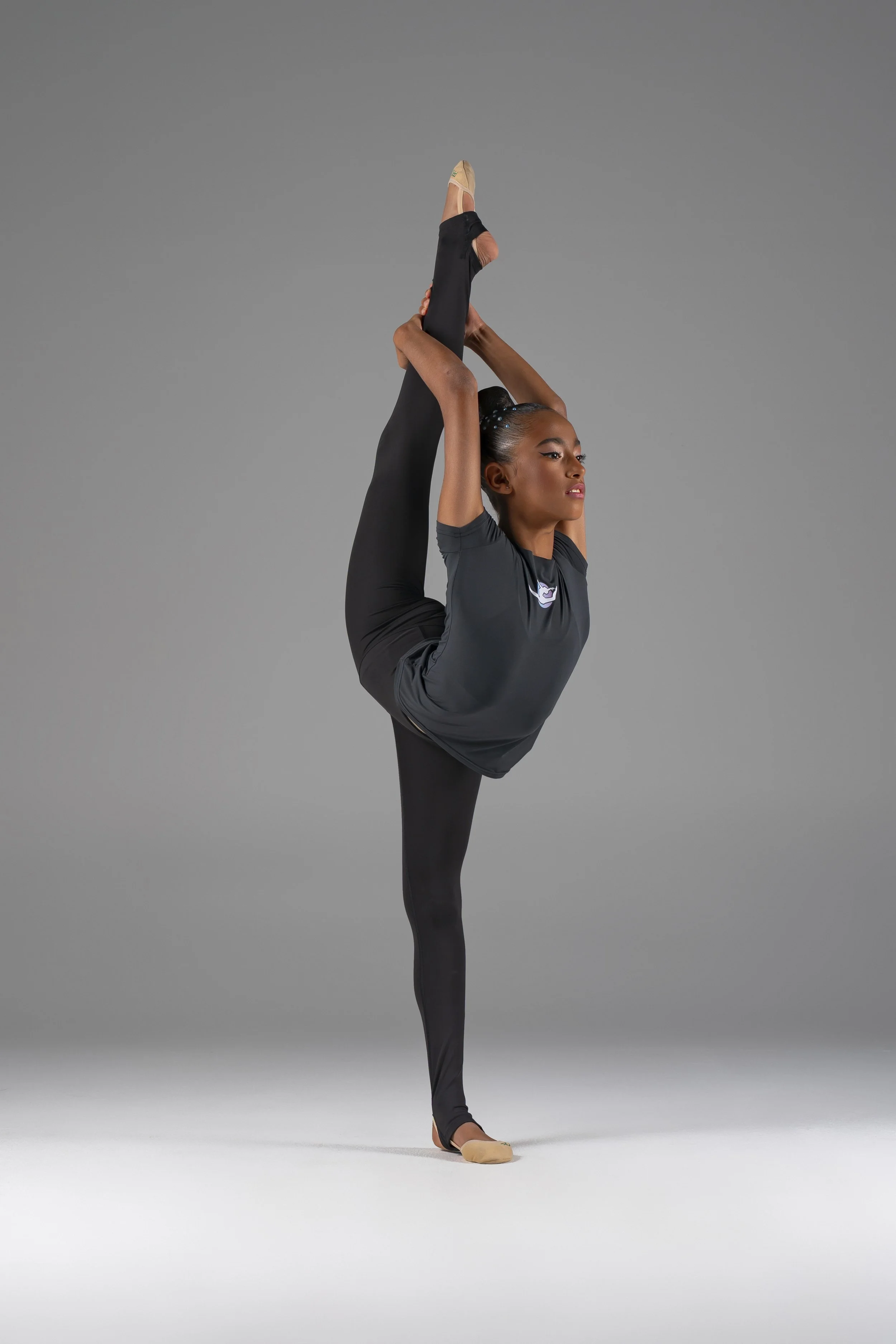
Rhythmic gymnastics supports many areas of a child's physical and personal development. Training combines gymnastics technique, apparatus work, music, dance, and artistic expression while teaching children to work consistently towards their goals.
Flexibility, Strength & Coordination
Rhythmic gymnastics helps develop flexibility, balance, coordination, strength, posture, and body awareness.
Children gradually learn greater control over their bodies while building the physical foundations needed to progress to more complex gymnastics skills.
Ballet & Posture
Ballet and rhythmic gymnastics naturally complement each other.
Ballet supports the development of posture, body lines, balance, extension, control, and elegant movement — all important elements of rhythmic gymnastics.
As gymnasts progress, ballet can become an important part of their overall preparation and artistic development.
Dance & Artistry
Rhythmic gymnastics is unique because it combines athletic ability with dance and artistic expression.
Gymnasts learn choreography, different movement styles, expression, and how to convey the character of their routine through their performance.
This artistic component helps make rhythmic gymnastics much more than simply performing technical elements.
Musicality
Music is an essential part of rhythmic gymnastics.
Training helps children develop an understanding of rhythm, tempo, accents, and musical expression. Gymnasts learn to coordinate their body movements and apparatus with music, creating a complete performance rather than simply performing individual skills.
Confidence, Discipline & Concentration
Regular rhythmic gymnastics training encourages discipline, concentration, perseverance, confidence, and goal-setting.
Learning new skills takes time and consistent practice. As children see their own progress and achieve new goals, they can develop greater confidence in their abilities.
Creativity & Self-Expression
Through choreography and performance, gymnasts learn to express personality and emotion through movement.
As they progress, athletes develop their own performance style and become more comfortable and confident presenting themselves to others.
Recreational vs Competitive Rhythmic Gymnastics
Children can begin rhythmic gymnastics to learn the sport, stay active, develop new skills, and enjoy training.
As gymnasts progress, some may choose to move towards more structured and competitive training.
Competitive rhythmic gymnastics generally involves increased training hours and greater emphasis on body and apparatus technique, routine preparation, choreography, physical conditioning, artistry, and competition preparation.
The appropriate pathway depends on each child's age, ability, experience, goals, and commitment.
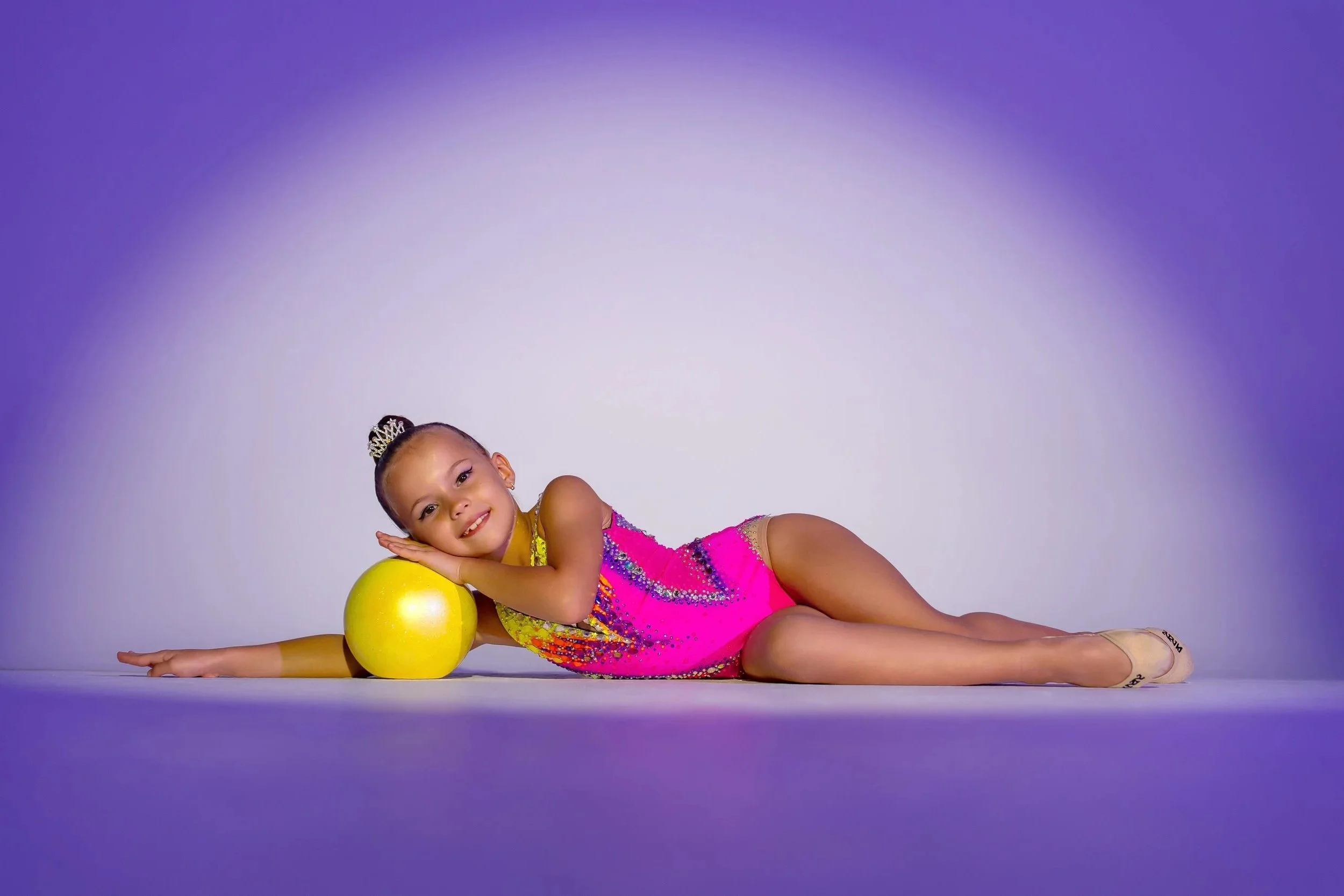
Rhythmic Gymnastics Classes in Dubai
At Coach Sveta Rhythmic Gymnastics Club, children follow a structured development pathway from their first experience in rhythmic gymnastics through to advanced and competitive training.
Our rhythmic gymnastics classes in Dubai combine professional gymnastics coaching with key elements of ballet, dance, artistry, physical preparation, and athlete development, tailored to each gymnast's level and program.
The club's international coaching team brings together national team backgrounds, international competition experience, professional coaching qualifications, and experience developing young gymnasts at different levels.
With multiple training locations across Dubai, families can find a program suited to their child's age, previous experience, and development goals.
Start Rhythmic Gymnastics
in Dubai
The best way to discover rhythmic gymnastics is to experience it.
Our team can help identify the most suitable training group based on your child's age and previous gymnastics experience, allowing her to experience the sport and meet our coaching team.
-
No. Children do not need previous gymnastics experience to start rhythmic gymnastics.
The most suitable training group will depend on the child's age, previous gymnastics or sporting experience, and current level.
Children with prior rhythmic gymnastics experience can be assessed to identify a training group that best matches their prior preparation and development needs.
-
Children can generally begin structured rhythmic gymnastics classes from approximately 3.5 years old, depending on their individual readiness.
At a young age, training focuses on age-appropriate movement, coordination, flexibility, basic gymnastics skills, musicality, and the introduction of apparatus.
As children develop, the duration, frequency, and complexity of their training can gradually increase.
-
The structure of a rhythmic gymnastics class depends on the gymnast's age and level, but training may include:
• Warm-up and physical preparation
• Flexibility and stretching
• Strength and conditioning
• Body technique
• Leaps, balances, rotations, and coordination
• Apparatus handling
• Dance and musicality
• Ballet and artistry
• Routine preparationAs athletes progress, their training becomes increasingly structured and tailored to their level and development goals.
-
Rhythmic gymnastics offers a unique combination of physical development, creativity, discipline, and confidence-building. Through structured training, children develop flexibility, strength, balance, coordination, posture, and body awareness while learning to work with apparatus such as the ribbon, hoop, ball, clubs, and rope.
The combination of gymnastics, ballet, dance, music, and artistry also helps children develop musicality, graceful movement, concentration, and self-expression.
Beyond physical skills, regular rhythmic gymnastics classes encourage discipline, perseverance, goal-setting, teamwork, and confidence. As children learn new skills and see their own progress, they develop a strong sense of achievement and a positive attitude towards an active lifestyle.
At Coach Sveta Rhythmic Gymnastics Club in Dubai, training is structured to support each gymnast's development from her first experience in the sport through to more advanced and competitive levels.